
Galbijjim (Kalbijjim, 갈비찜)
A Slow Braise That Feels Abundant
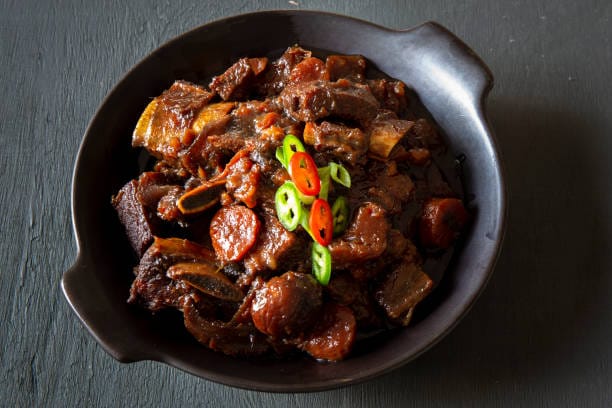
Galbijjim, also called kalbijjim (갈비찜), is a classic Korean braised short rib dish often made for holidays and family gatherings. It’s the kind of meal that takes its time, traditionally brought out when you want to mark a special moment or simply care for the people around you. Over the years, families have shaped their own versions — some more elaborate, some more understated — but the heart of the dish has stayed the same: a slow, steady simmer that turns an everyday pot into something meaningful. It’s comforting in its ritual, generous in its spirit, and rooted in the traditions that make Korean home cooking feel so grounding.
The Comfort of a Long, Gentle Simmer
Galbijjim is the kind of dish that makes you hungry just watching it come together. As the ribs simmer, the meat relaxes and turns soft, slipping off the bone with barely any effort. The braising liquid thickens into a glossy, savory-sweet sauce that coats everything it touches. Carrots and potatoes soak up that flavor, turning buttery and rich, while mushrooms add a deep, earthy note. When the pot finally opens, steam rises with the unmistakable aroma of slow-cooked comfort — warm, savory, and full of promise. It’s the kind of dish that draws everyone to the table before you even call them, the kind that makes the first bite feel like the best one.
Ingredients:
Meat Options
(Choose one — all work well for Galbijjim.)
- Traditional: 3 lb Korean-style beef short ribs, cut into 2-inch pieces
- More affordable: 3 lb beef chuck, cut into large chunks
- Lean option: 3 lb beef brisket, cut into cubes
- Pork version: 3 lb pork spare ribs or country-style ribs
- Pressure-cooker friendly: 3 lb boneless beef chuck or brisket
Vegetables
- 1 large carrot, cut into large chunks
- 1 medium potato, cut into large chunks
- 1 small onion, quartered
- 3–4 shiitake mushrooms (fresh or rehydrated)
- 8–10 Korean radish cubes (optional)
- 6–8 chestnuts (optional)
- 3 jujubes / dried red dates (optional)
Aromatics & Sauce
- 1 Korean/Asian pear (also called “apple pear”), peeled and grated
- 1 small apple, peeled and grated
(optional — add only if your pear is bland or underripe.
Skip it when your pear is juicy and sweet, or when you prefer a more classic, less sweet flavor.) - 5 garlic cloves, minced
- 1-inch piece of ginger, sliced
(traditional — gives gentle flavor and is easy to remove before serving) - ½ cup soy sauce
- 3 tbsp brown sugar
- 2 tbsp honey
- 2 tbsp mirin (or rice cooking wine)
- 1 tbsp sesame oil
- 2 cups water (plus more as needed)
- Black pepper, to taste
Finishing
- 1 green onion, thinly sliced
- Sesame seeds, for garnish
Instructions
1. Soak and blanch the meat to keep the broth clean:
Place the meat in cold water for 30 minutes, then boil for 5 minutes and rinse well; this removes excess blood and keeps the final braise smooth.
2. Build the braising base in a large pot or Dutch oven:
Combine the soy sauce, brown sugar, honey, mirin, sesame oil, grated pear, optional apple, garlic, sliced ginger, water, and black pepper, then add the blanched meat.
3. Begin the slow simmer:
Bring the pot to a gentle boil, reduce the heat to medium-low, cover, and simmer for 45 minutes while the flavors begin settling into the meat.
4. Add the vegetables that need longer cooking:
Stir in the carrot, potato, radish, chestnuts, and jujubes, then cover and simmer for another 30–40 minutes until the meat and vegetables are tender.
5. Reduce the sauce to thicken and concentrate the flavor:
Uncover the pot and simmer 10–20 minutes, letting the sauce gently reduce; add a splash of water if it thickens too quickly.
6. Add the mushrooms and onions toward the end:
Stir them in during the final 10 minutes so they soften without breaking down.
7. Finish with garnish and serve warm:
Top with sliced green onion and sesame seeds, and serve galbijjim with rice or as a centerpiece dish.
Why a Dutch Oven?
A Dutch oven is one of the best tools for making soup. Its heavy cast-iron walls hold heat evenly, so your soup simmers gently without scorching. The thick lid keeps moisture locked in, helping flavors deepen as everything cooks together. It’s also roomy enough for generous batches, perfect for family meals or storing leftovers.
Another bonus is versatility: you can sauté onions, brown meat, and simmer broth all in the same pot, so fewer dishes pile up in the sink. Whether on the stovetop or finished in the oven, a Dutch oven makes the process simple and reliable—just the way soup should feel.
Affiliate note: I use this Dutch oven (affordable and dependable), and it has served me well for everyday cooking. If you like cooking in bigger batches, the larger 7-quart version is great for soups and stews that feed a crowd. There are also higher-end options like this one or this one, which many cooks love for brand reputation and long-term reliability.
Storage
- Refrigerate leftovers in an airtight container for up to 3 days.
- Reheat gently on the stovetop with 1–2 tablespoons of water to loosen the sauce.
- Freeze for up to 2 months; thaw in the refrigerator overnight before reheating.
Note
- Adding apple is optional; include it only when your pear is bland or underripe, and skip it when the pear is juicy and sweet.
- Sliced ginger is traditional because it adds gentle flavor and can be removed before serving.
- Galbijjim can be made with short ribs, chuck, brisket, or pork ribs; cooking times remain similar as long as pieces are cut large.
- If the sauce reduces too quickly, add a small splash of water. It should finish glossy and spoonable, not soupy.
- For a richer flavor, you can marinate the blanched meat in the braising sauce for 1–2 hours before cooking.
This post contains affiliate links. As an Amazon Associate, I earn from qualifying purchases.
Thank you for being here as I start this journey. I can’t wait to share more recipes, tips, and stories with you — one crumb at a time.
Stay tuned,
~ Clever Crumbs